Scott Wyden Kivowitz
Looking Up With Neutral Density Filters
By Scott•
Many times photographers are using neutral density filters to extend their shutter speed. The intention is to create enough motion in moving objects to smooth them out, blur them or completely removed them.
There is another very useful use of neutral density filters. In fact, graduated neutral filters are perfect for what you are about to read.
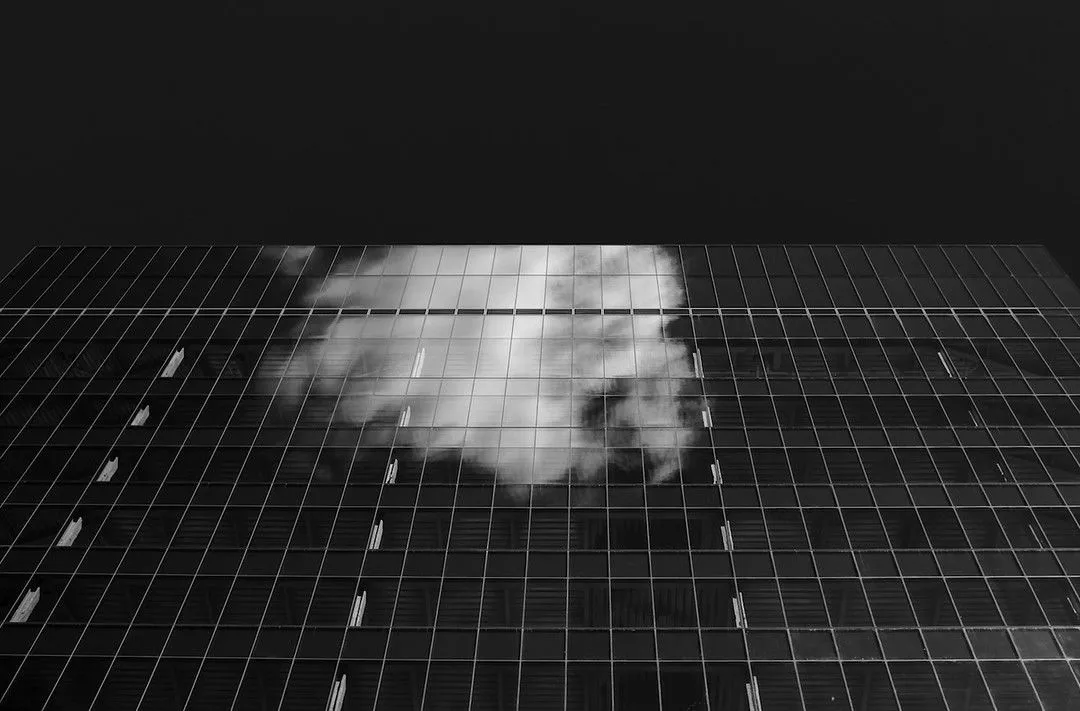
Imagine yourself standing in the middle of a city like Tokyo, New York City or anything similar. You look up and see beautiful buildings emerging from the ground and poking the clouds.
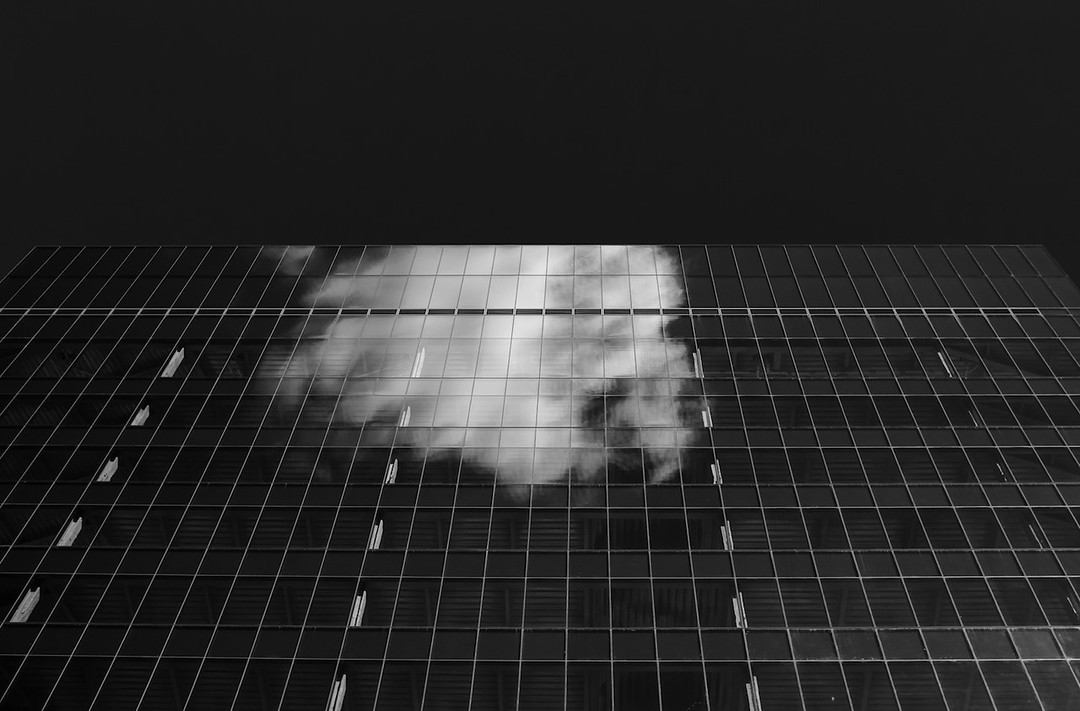
That view is amazing, but naturally comes with an exposure roadblock to find ways around. You see – if you expose for the sky then the building will be so dark that it’s useless to you. But if you expose for the building then the sky will likely be so washed out that it’s barely recoverable. You could easily bracket the exposures and expose for one then other and merge into a HDR for the highest dynamic range possible. However, some photographers like to do this in-camera rather than in post processing, and that is where the neutral density filters come in to play.
You are still standing there with your camera on the tripod, looking up and the sky and really wanting the photo. A graduated neutral density filter has the identical function as a solid filter. However, it graduates from the density to clear which does nothing. By aligning the filter’s gradation with the break between the building and the sky, you have a new advantage.
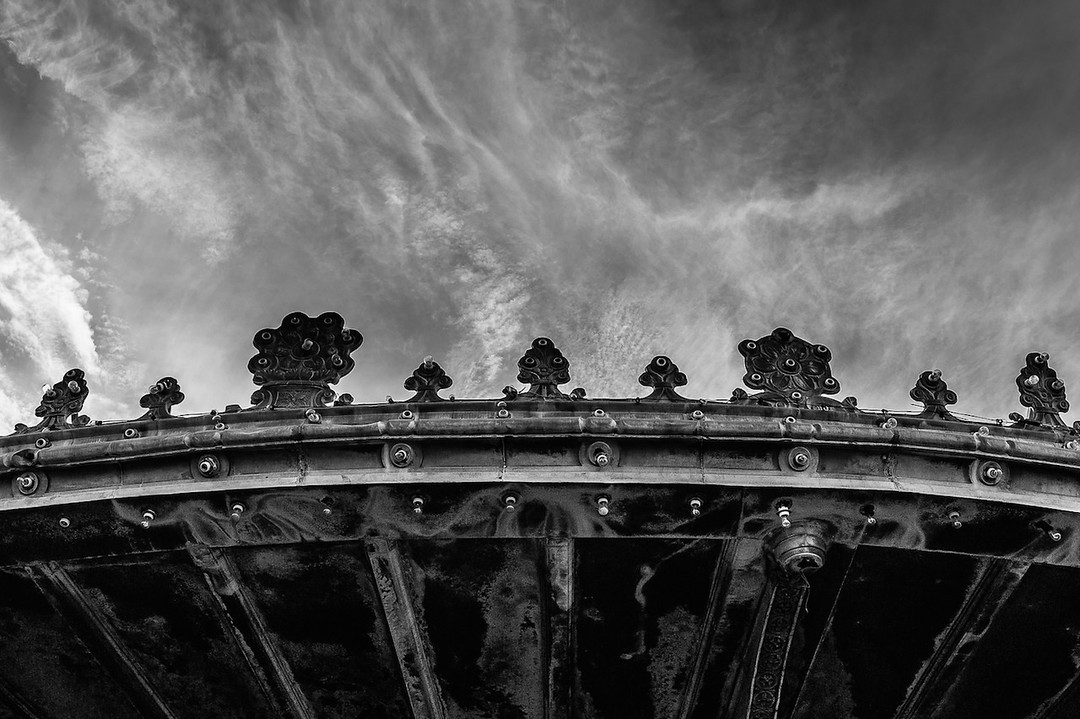
From here you can expose for the building like you normally would. But the neutral density filter is now blocking a certain amount of light (depending only your filter density) from passing through the lens only on the sky. Of course the amount of stop reduction depends on the scene, time of day and so on.
So next time you are walking around the city, bring those graduated neutral density filters and spend more time looking up. You might see something unexpected.
Don’t forget to check out my eBooks Time Is On Your Side and Ambivert’s Guide to Street Photography here on Flatbooks to learn more about long exposure photography, neutral density filters, and candid street photography.
Thanks for reading,
Scott